Evidenced Based Relief From Medication Overuse Headaches


Cutting Edge Research And Treatment Applications - So You Can Get Your Life Back
Medication Overuse Headache : A Toxic Overload
Does this sound like you ?

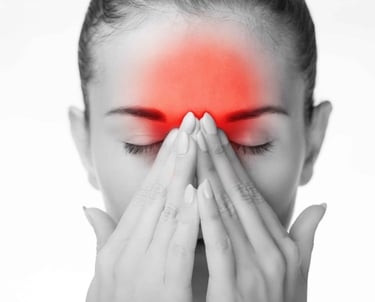
Headache on ≥15 days/month (chronic daily pattern)
Rebound pattern: worse as medication wears off; brief relief after taking it
Regular overuse of acute pain meds (typically ≥10–15 days/month, drug-dependent)
Morning-predominant headaches with non-restorative sleep, fatigue, brain fog
Reduced responsiveness to usual painkillers; escalating doses needed
Associated nausea/irritability and concentration difficulties; often migraine-like features
Getting To The Root Cause Of Your Medication Overuse Headache


Cervical Spine Assessment
Assessing the cervical spine is essential to identify cervicogenic contributors, muscle tension, joint dysfunction, and nerve irritation that amplify headache pathways, guiding therapy and rehabilitation.
Symptoms Assessment
We systematically assess the frequency, severity, and duration of your headaches, alongside triggers and impact on daily function, during your tailored headaches discovery consultation.
What's In A Discovery Consultation ?
1
2
Lifestyle Assessment
Lifestyle assessment maps sleep, stress, diet, hydration, caffeine, alcohol, hormones, activity, screen-time and routines, revealing triggers and patterns to tailor interventions, support adherence, prevent relapse.
Neurological Assessment
A focused neurological assessment identifies red flags, localises dysfunction, evaluates cranial nerves, balance, reflexes, sensation and eye movements, clarifying diagnosis, excluding pathology, and tailoring treatment.
3
4
Brain Scan
Brain imaging isn’t routine; it’s reserved for red flags or atypical features to exclude secondary causes—tumour, haemorrhage, structural lesions—guide urgent referrals, and provide diagnostic reassurance.
Blood Chemistry Analysis
Blood chemistry clarifies hidden drivers—anaemia, thyroid dysfunction, glucose instability, inflammation, electrolyte imbalance, liver/kidney issues, B12 and vitamin D deficiencies—informing treatment, reducing triggers, and guiding personalisation.
5
6
Optional
How We Are Different
The mainstream approach vs the drug free approach
Neurogenics Approach
Mainstream Approach
temporary pain relief
medication dependant
one size fits all
symptom suppression
root cause drug free approach
personalised brain health plans
long term solutions
multiple health benefits
Targeted Treatments
Cranial Osteopathy
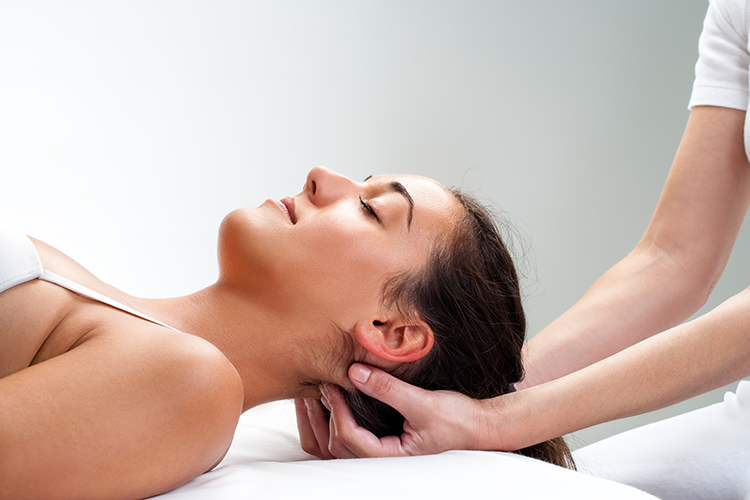

Craniosacral therapy uses gentle techniques to ease strain in cranial sutures, dural membranes, and cervical tissues that sensitise trigeminovascular pathways in medication-overuse headache. By improving cranial rhythmic motion, venous, lymphatic and cerebrospinal flow, and autonomic balance, it may lower intensity and frequency, relieve neck/TMJ tension, enhance sleep, and support withdrawal plans and preventives. Comfortable, patient-centred, and suitable alongside medical care.


Brain Based Nutrition
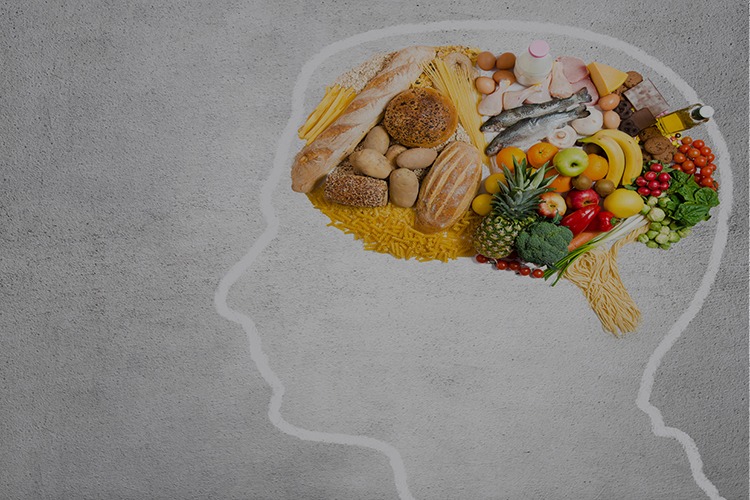
Brain-based nutrition supports medication-overuse headache recovery by stabilising neurotransmitters, calming neuroinflammation, and improving energy metabolism. Prioritise protein, omega-3s, magnesium, riboflavin, CoQ10, and hydration; steady low-GI carbohydrates prevent withdrawal hypoglycaemia. Limit caffeine, alcohol, and ultra-processed foods that sensitise pain pathways. Regular meals balance cortisol, aid sleep, and enhance the effectiveness of withdrawal plans and preventives.
Nutritional and Herbal Medicine
Nutritional and herbal medicine support medication-overuse headache by calming neuroinflammation, stabilising neurotransmitters, and smoothing withdrawal. Emphasise protein, omega-3s, magnesium, riboflavin and CoQ10; steady low-GI meals and hydration aid cortisol and sleep. Evidence-informed herbs—feverfew, ginger, curcumin, and PA-free butterbur—may reduce headache tendency. Review interactions (e.g., anticoagulants, liver disease, pregnancy) and coordinate with your prescriber.
Brain Based Rehab
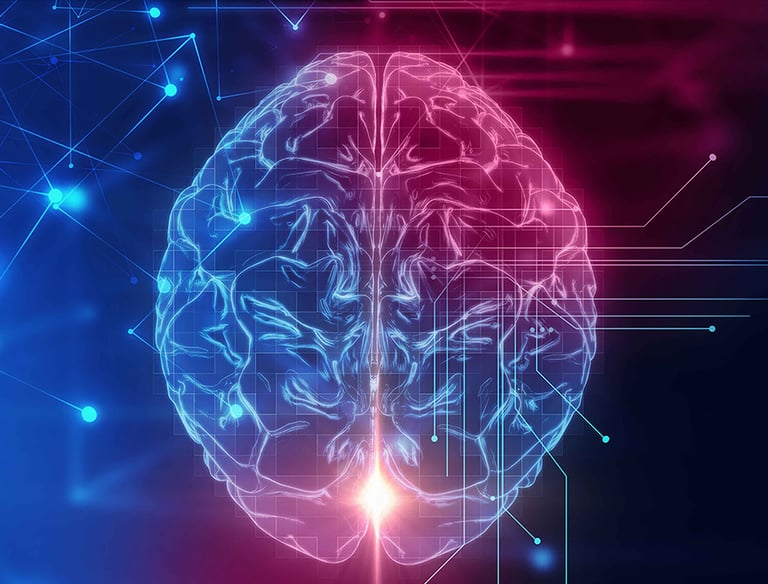
Brain-based rehabilitation helps medication-overuse headache by desensitising trigeminovascular circuits and restoring autonomic balance. Programmes combine vestibular/oculomotor drills, cervical proprioceptive retraining, diaphragmatic breathing and HRV biofeedback to reduce allostatic load. Graded activity, sensory pacing, and sleep training enhance withdrawal tolerance, lower attack frequency and intensity, and improve resilience when paired with trigger education and preventive strategies.


Sleep Management
Sleep management reduces medication-overuse headache by stabilising pain thresholds and autonomic tone. Consistent bed/wake times, light-dark cues, limited evening screens and caffeine, and wind-down routines improve melatonin, REM/slow-wave balance and glymphatic clearance. Treat sleep apnoea/insomnia, schedule regular meals, and anchor naps (<30 min). Better sleep lowers attack frequency, eases withdrawal, and strengthens preventives.
Stress Management
Stress management lowers allostatic load and sympathetic overdrive that sensitise trigeminovascular pathways in medication-overuse headache. Mindfulness, paced breathing, HRV biofeedback, and progressive muscle relaxation rebalance the HPA axis and autonomic tone. Cognitive reframing, problem-solving, and scheduled breaks reduce catastrophising and urge-driven dosing. The result: smoother withdrawal, fewer attacks, better sleep, and stronger response to preventives.
Ready To Find Lasting Relief ?
Book your discovery consultation today and take the first step toward a headache-free life.
£85 | 60 mins
You Deserve Better
Subscribe to our Brain Wellness newsletter
And learn how to protect and optimise the wellness and longevity of your brain